
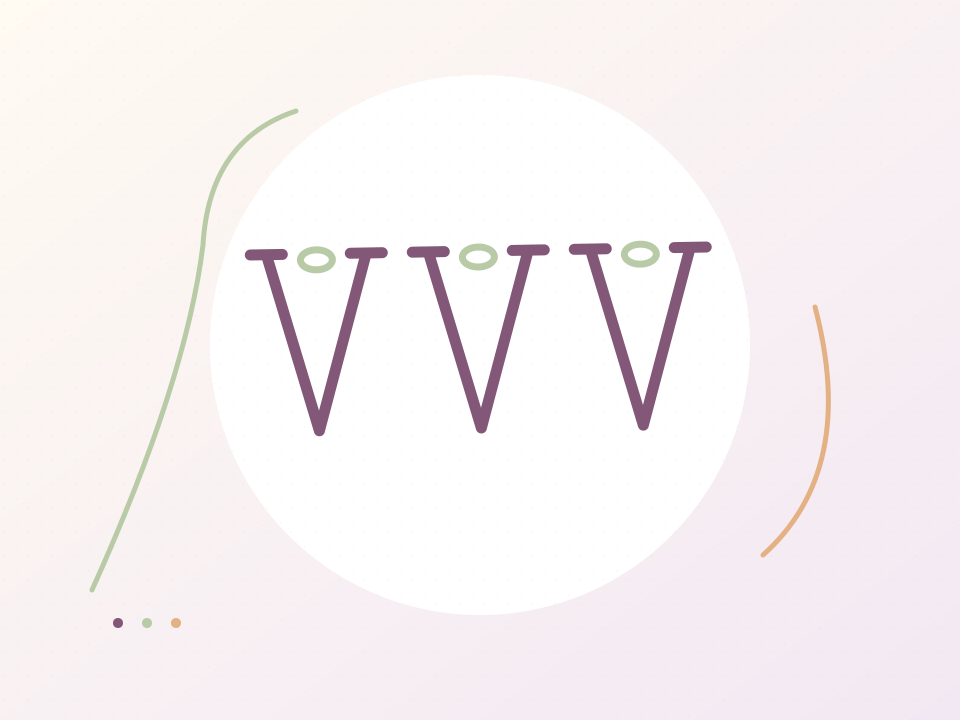
The recipe used here
For this sample, one V-stitch is UK treble, chain 1, UK treble, all in the same place. In US names that is double crochet, chain 1, double crochet. Other patterns can define a wider V or a different gap, so check their special-stitch key. The small space in the centre is the target on the following row.
Set up five Vs
- Chain 18, then work 17 UK double crochet from the second chain.
- Chain 3 and turn, counting it as the first edge treble. Skip the first base stitch because the starting chain sits above it.
- Make a V in base stitches 3, 6, 9, 12 and 15. Leave the other base stitches unworked. Make one edge treble in stitch 17.
- Check for five chain-1 centres and two outer edge stitches, including the starting chain.
Let the spaces guide the next row
Chain 3 and turn, again counting the chains as the first edge stitch. Put one complete V into each chain-1 centre from the previous row. Finish with a treble into the top of the previous starting chain. There are still five Vs and two outer edges. You do not need to squeeze new stitches into the two separate tall-stitch tops of every V.
Read the finished sample
Spread the work gently and compare the five columns of openings. A missing centre usually means a chain was forgotten or a V was worked in the wrong place. A very tight centre can make the next row awkward, so form the chain on the full hook shaft. Measure the fabric relaxed before imagining it as a scarf or panel.
Words in this lesson
Chain space
The opening underneath a chain, rather than the chain’s top loop.
V-stitch
Here, two UK trebles separated by a chain in one base.
Notes & further reading
Original explanations and practice exercises by Crochet By Micky. UK stitch names are used; check the stitch key in any other pattern you follow.
Reviewed 25 October 2026. Cover artwork is an original illustration, not a third-party pattern or event photograph.