Hooks & Needles: A Complete Guide for New Crocheters
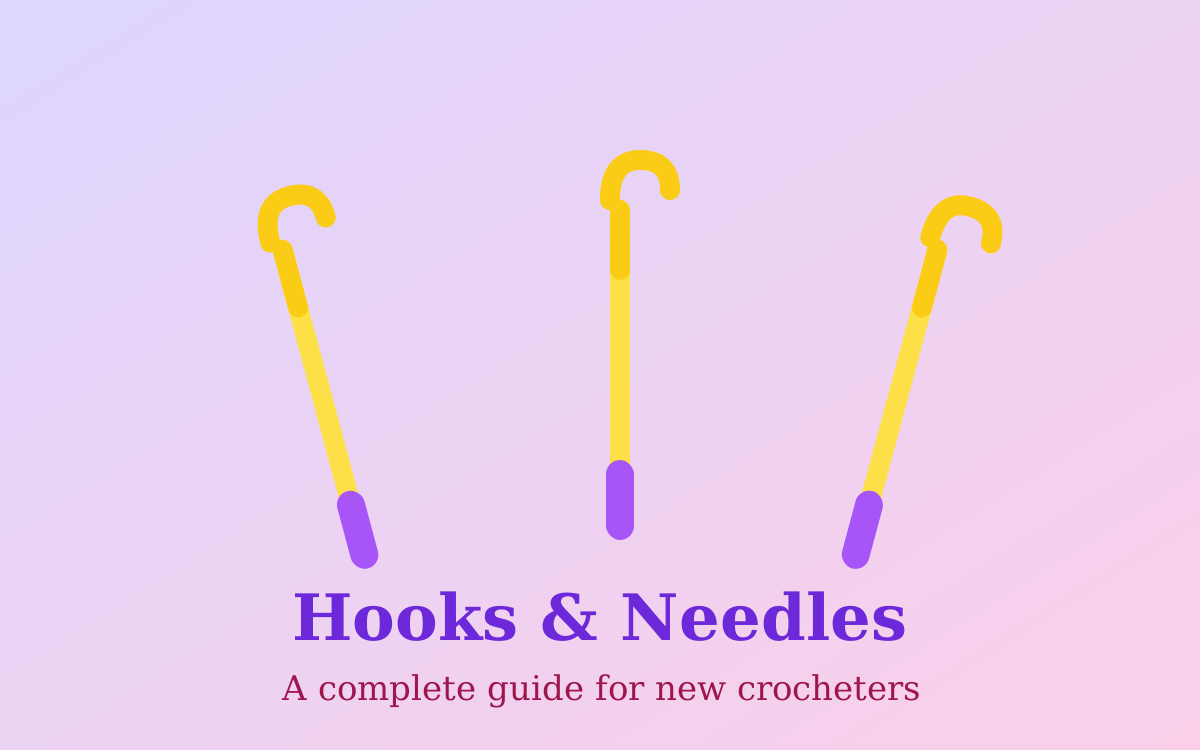
Crochet hook anatomy 🪝
Every crochet hook has the same basic parts:
- Head — the very tip that pokes through stitches.
- Throat — the curvy bit just below the head that catches the yarn.
- Shaft — the straight section that decides your stitch size.
- Thumb rest — flat area where your thumb sits.
- Handle — the long bit you grip.
Types of hooks
1. Aluminium hooks
The classic — cheap, smooth and great for everyday yarn. Susan Bates and Boye are popular brands.
2. Bamboo / wooden hooks
Warm, light, and a little grippy — perfect for slippery yarns. Quiet on your hands too. ✨
3. Ergonomic hooks
These have chunky rubber handles that are much kinder to your wrists. If you crochet for a long time (like I do!) get a set of these — Clover Amour and Furls are amazing.
4. Tunisian / Afghan hooks
Extra long with a stopper at the end. Used for Tunisian crochet — a cool style that looks a bit like knitting.
In-line vs tapered
This is the secret crocheters love to argue about! 😄
- In-line (Susan Bates style) — the head is the same width as the shaft. Great for tight, even stitches.
- Tapered (Boye / Clover style) — the head is rounder. Easier to push through stitches; my personal favourite.
How to hold your hook
There are two main grips:
- Knife grip — like holding a butter knife. Stronger and more controlled.
- Pencil grip — like holding a pencil. Gentler on your wrist for long sessions.
Try both — there's no "right" way! Whatever feels comfy is correct.
What size hook should I buy first?
If you're starting fresh, grab a set of ergonomic hooks from 3mm to 8mm. You'll cover almost every beginner project with that range.
Pro tip: keep a tiny stitch marker on your hook bag so you can mark the start of rows in the round. Lifesaver! 💜